
I Replaced Every Bulb in My Restaurant With LED — Here Is What Actually Happened
Three years ago, I sat in my restaurant at 11 PM after closing, staring at a $480 monthly electricity bill and a maintenance log showing 14 decorative bulb replacements that month alone. The vintage Edison bulbs looked beautiful — warm amber glow, visible filaments, exactly the ambiance I wanted. But at $8-12 per bulb replaced every 6-8 weeks, plus an electrician at $95 per service call for the 16-foot ceiling fixtures, decorative lighting was costing me over $7,000 per year.
I made the switch to LED filament bulbs across all 42 decorative fixtures. Here is exactly what happened — the good, the bad, and what I wish I had known beforehand.
What Is LED Decorative Lighting Technology — Explained for Actual Buyers
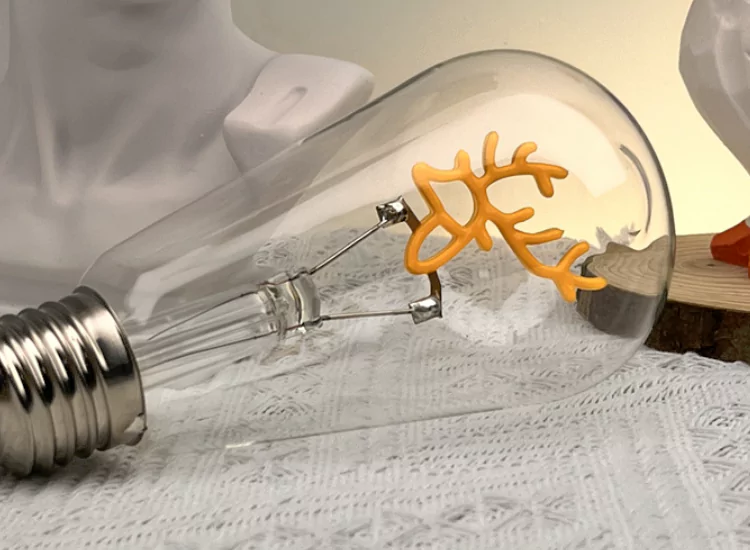
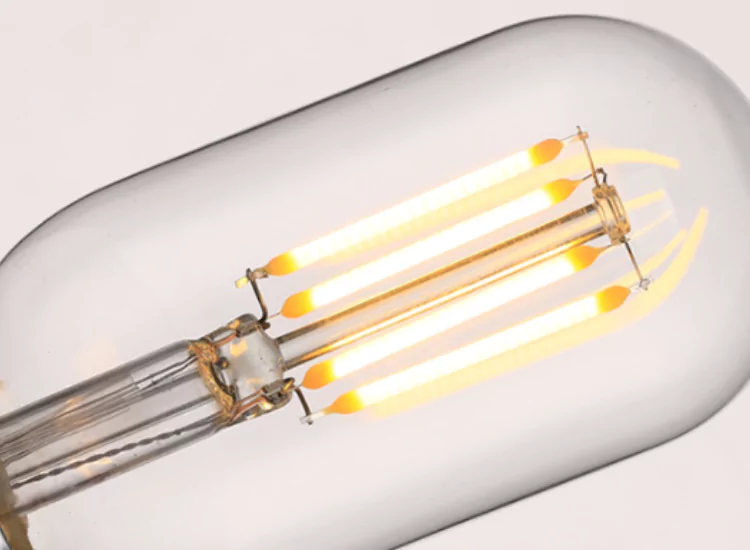
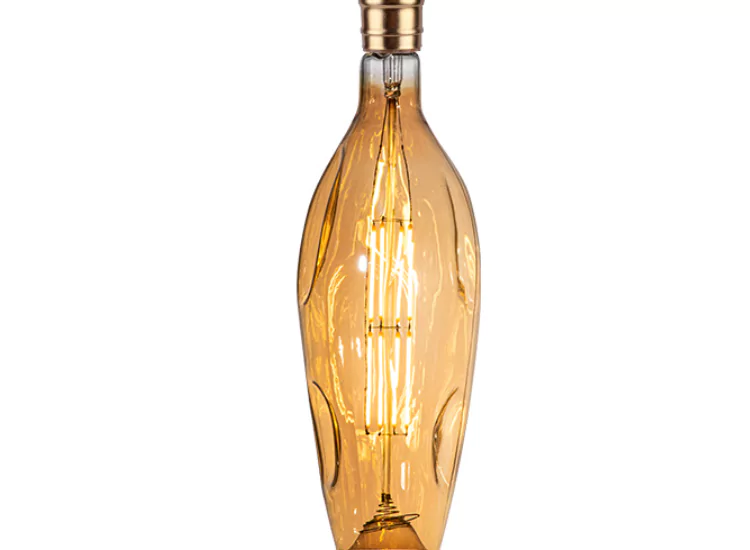
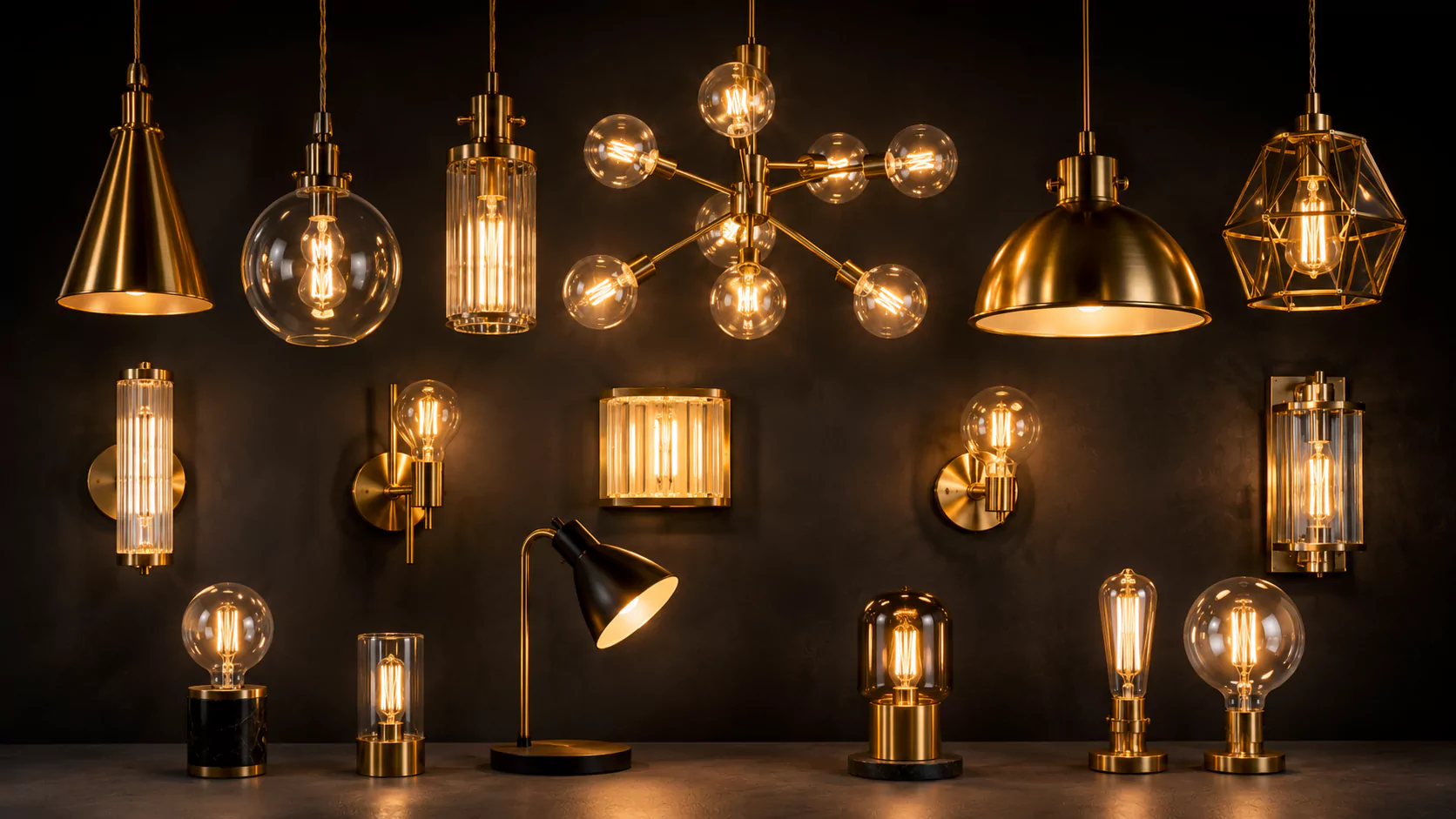
LED decorative lighting uses light-emitting diodes instead of heated filaments to produce light. The technology has advanced so rapidly that modern LED filament bulbs are visually indistinguishable from incandescent — they replicate the warm 2700K color temperature, the visible filament structure, and even the amber shift when dimmed. The key difference: LED bulbs consume 80-90% less electricity and last 15-25 times longer.
Important distinction: not all LED decorative bulbs are equal. Cheap imports ($2-5/bulb) often have poor CRI (below 80), visible flicker, limited dimming compatibility, and inconsistent color temperature. Premium LED filament bulbs ($8-18/bulb) deliver CRI 90+, flicker-free dimming, and precise 2700K-3000K color with tight binning. Browse TITKLED’s premium LED decorative bulb range.
How to Switch From Incandescent to LED Decorative Lighting: 5 Steps That Actually Work
- Audit Every Fixture First. Before buying a single bulb, document every decorative fixture: location, bulb base type (E26, E12, B22, GU10), wattage, dimmer type (if dimmable), hours of daily operation, and accessibility (ladder, lift, or easy reach). This audit determines which LED bulbs you need and reveals which fixtures are costing the most to operate.
- Test Dimming Compatibility Before Bulk Purchase. This is the step most people skip and regret. Buy 2-3 bulbs of your chosen LED model and test them on your actual dimmer switches. Check for flicker at 10%, 50%, and 100% brightness. Check for buzzing from the bulb or dimmer. Check the minimum dimming level before the light cuts out. Only after passing all three tests should you order in bulk.
- Match Color Temperature to Function. 2700K for restaurants, hotel lobbies, and residential living spaces. 3000K for retail, offices, and task areas. 2200K for ultra-intimate dining and bar settings. Do not mix color temperatures in the same visible space — the difference is noticeable and looks sloppy.
- Prioritize CRI 90+ for Customer-Facing Spaces. CRI (Color Rendering Index) determines how accurately colors appear under the light. CRI 80 is acceptable for corridors and back-of-house. CRI 90+ is essential for restaurants, retail displays, hotel lobbies, and anywhere customers evaluate colors — food, clothing, decor, skin tones. The difference between CRI 80 and CRI 90 is immediately visible.
- Calculate ROI, Not Just Upfront Cost. LED bulbs cost 2-3x more upfront but save 80-90% on electricity and eliminate replacement costs. My restaurant’s 42-fixture switch: upfront cost $1,260 ($30/bulb). Annual savings: $2,200 electricity + $1,800 replacement labor = $4,000/year. ROI payback: 3.8 months. Contact TITKLED for a personalized TCO analysis.
My Restaurant’s Real Numbers: 12 Months of LED Data
Before (42 incandescent Edison bulbs, 60W each): Monthly electricity for lighting: $183. Monthly bulb replacements: 6-8 bulbs. Annual lighting cost: $2,200 electricity + $960 bulbs + $3,420 labor (36 service calls at $95) = $6,580/year.
After (42 premium LED filament bulbs, 6W each): Monthly electricity for lighting: $18. Monthly bulb replacements: 0 (zero failures in 12 months). Annual lighting cost: $216 electricity + $0 bulbs + $0 labor = $216/year.
Annual savings: $6,364. The LED bulbs paid for themselves in under 4 months. But the unexpected benefit was even better: my servers stopped complaining about burnt-out bulbs over customer tables. The ambiance stayed consistent every single night. Guests never noticed the technology change — they only noticed that the lighting was always perfect.
| Metric | Incandescent (60W) | LED Filament (6W) | Savings |
|---|---|---|---|
| Annual Electricity (42 fixtures) | $2,200 | $216 | $1,984 (90%) |
| Annual Bulb Replacements | 72 bulbs ($960) | 0 bulbs ($0) | $960 (100%) |
| Annual Labor (replacements) | 36 calls ($3,420) | 0 calls ($0) | $3,420 (100%) |
| Total Annual Cost | $6,580 | $216 | $6,364 (97%) |
| Upfront Investment | $630 | $1,540 | +$910 |
| ROI Payback | – | 3.8 months | – |
What I Wish I Had Known Before Switching
- Not all dimmers are LED-compatible. I had to replace 8 dimmer switches at $35 each. Budget for this if your dimmers are more than 5 years old.
- Enclosed fixtures need special LED bulbs. Standard LED bulbs overheat in fully enclosed pendants. Look for enclosed-fixture-rated LEDs.
- Buy 10% extra. LEDs do fail occasionally. Having spares ensures you never revert to mixing incandescent and LED in the same space.
- The warm-dimming feature is worth the premium. Standard LED dims by reducing brightness only. Warm-dimming LED also shifts from 2700K to 1800K — just like incandescent. Worth the extra $3-5 per bulb for customer-facing spaces.
Frequently Asked Questions About LED Decorative Lighting
Do LED bulbs look as warm as incandescent?
Yes. Premium LED filament bulbs with CRI 90+ and 2700K color temperature are visually indistinguishable from incandescent. Warm-dimming LED even replicates the amber color shift when dimmed.
Will LED bulbs work with my existing dimmer switches?
Not always. Test 2-3 bulbs on your actual dimmers before bulk purchase. Dimmers older than 5 years may need replacement ($25-45 each). TITKLED provides dimmer compatibility charts.
How much do premium LED decorative bulbs cost?
$8-18 per bulb for quality CRI 90+ LED filament bulbs versus $3-6 for incandescent. The 2-3x upfront cost is recovered through energy and replacement savings within 4-8 months.
What is the difference between CRI 80 and CRI 90+, and does it matter for decorative lighting?
CRI (Color Rendering Index) measures how accurately a light source reveals colors compared to natural daylight. CRI 80 is acceptable for utility lighting but visibly flattens warm tones in decorative applications. CRI 90+ is essential for hospitality and retail because it renders wood grains, fabric textures, and skin tones naturally. The price difference is $2-4 per bulb — an insignificant cost for the visual quality difference in customer-facing spaces. Every TITKLED decorative LED bulb is CRI 90+ as standard.
How do I calculate the real payback period for switching to LED decorative lighting?
Use this formula: (Total LED purchase cost – incandescent replacement cost avoided) / Annual electricity savings. Example: 100 bulbs × $12 LED = $1,200 upfront. You avoid buying 400 incandescent bulbs per year at $3 each = $1,200 saved. Annual electricity savings at $0.12/kWh, 12h/day: $2,365. Net first-year savings: $2,365 (energy) + $1,200 (bulbs) – $1,200 (LED purchase) = $2,365. Payback period: approximately 5 months. Every year after: pure savings.
Stop Overpaying for Ambiance
The warm, beautiful light you love does not require 1870s technology. Modern LED decorative bulbs deliver the same amber glow, the same visible filaments, the same dimming behavior — at 10% of the operating cost. My only regret is not switching two years sooner. Browse TITKLED’s LED decorative lighting catalog or request a sample kit to test quality yourself before committing to a full order.