
The Complete Guide to Decorative Lighting Finishes: What Lasts, What Fades, and What I Have Learned the Hard Way
A lighting fixture’s finish determines how it looks on day one, how it ages over years, and whether it survives a coastal installation or corrodes within months. I have specified finishes for projects from desert resorts to oceanfront hotels. Here is what actually works.
What Are the Main Decorative Lighting Finish Categories?
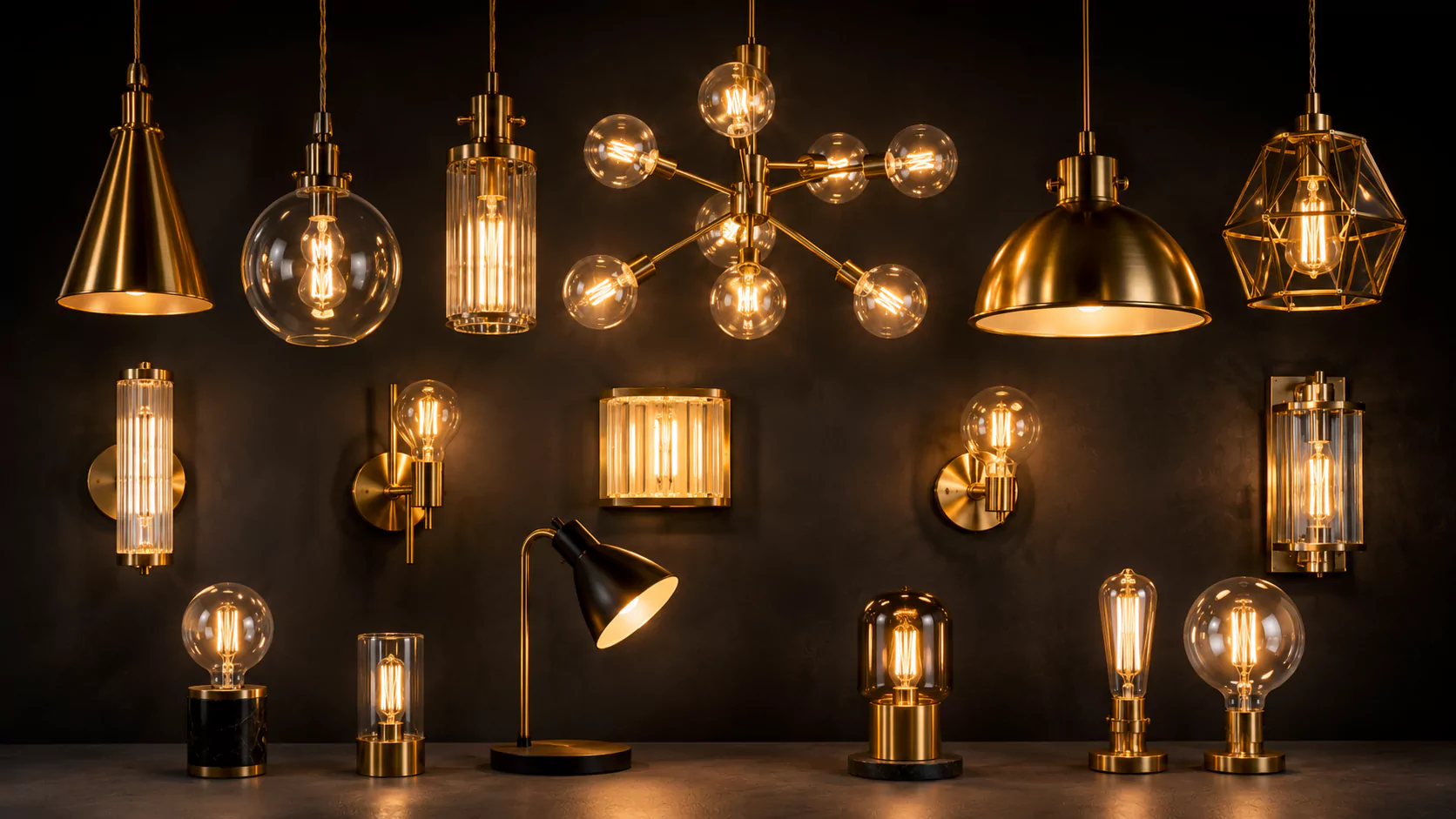
Brass: Most popular globally — polished, brushed, aged, unlacquered (living finish). Copper: Distinctive warmth, naturally antimicrobial. Bronze: Oil-rubbed, Venetian, architectural — brown to near-black. Chrome/Nickel: Polished chrome (cool), brushed nickel (warm silver), polished nickel (golden undertone). Black: Matte, satin, textured — fastest growing category. Painted: White, custom RAL colors (200+ available), two-tone, ceramic glazes. Browse TITKLED finish options.
How to Choose the Right Finish: 5 Factors That Matter Most
- Environment Is Everything. Coastal (within 5km of saltwater): marine-grade 316 stainless, PVD-coated brass, or architectural powder coating with 3,000+ hour salt spray rating. Indoor climate-controlled: any finish works. High-humidity bathrooms and spas: avoid unlacquered brass which will patina unpredictably.
- Maintenance Reality Check. Polished chrome and polished brass show every fingerprint — beautiful but high-maintenance. Brushed and matte finishes hide fingerprints and dust. Unlacquered brass develops natural patina — some clients love this, others consider it a defect. Clarify expectations before specifying.
- Design Style Alignment. Oil-rubbed bronze for traditional and transitional. Brushed nickel for contemporary. Matte black for industrial, modern farmhouse, and minimalist. Polished nickel for elegant traditional. Mixed materials (brass + black) for 2025 contemporary.
- The Protective Coating Determines Durability. Lacquer: traditional, moderate durability. Powder coating: excellent durability, zero VOCs, preferred environmentally. E-coating: superior coverage for complex shapes. PVD: premium scratch-resistant for high-wear commercial. The coating matters more than the underlying metal for longevity.
- Order Finish Sample Panels Before Production. Digital photos lie — finishes look different in person under actual lighting. Request 3-5 physical sample panels showing the finish on the actual metal substrate. Approve in writing before production begins. This step has saved me from $15,000+ finish-related rejection claims. Request a TITKLED finish sample kit.
The Coastal Corrosion Disaster I Will Never Forget
Miami Beach hotel, 2019. Specified beautiful oil-rubbed bronze exterior wall lanterns — standard architectural powder coating. Looked perfect at installation. Within 14 months of salt air exposure, every fixture showed pitting corrosion, peeling coating, and rust stains running down the stucco walls. Replacement cost: $18,000 including labor and lift rental. Root cause: standard powder coating, not marine-grade. Lesson: coastal properties require PVD or marine-grade 316 stainless. No exceptions. No shortcuts.
Comparison data available upon request. Contact TITKLED for detailed specifications.
Have more questions?
Contact LumiFab’s expert team for personalized answers to your specific project questions.
Decorative Lighting Finish Durability Comparison
| Finish Type | Durability Rating | Best Environment | Avoid Using In | Maintenance | Typical Lifespan |
|---|---|---|---|---|---|
| Polished Brass (lacquered) | ★★★☆☆ | Indoor, dry, low-touch | Coastal, high-humidity, bathrooms | Dry dust only; no chemicals | 5-8 years |
| Aged/Brushed Brass (living finish) | ★★★★☆ | Indoor, any; patina hides wear | None — patina is intentional | Minimal; natural evolution | 10+ years |
| Brushed Nickel | ★★★★★ | Bathrooms, kitchens, high-touch | Outdoor (unless marine-grade) | Mild soap + microfiber | 12-15 years |
| Polished Chrome | ★★★★★ | Modern interiors, bathrooms | Traditional/vintage decors | Chrome polish; fingerprint-prone | 15+ years |
| Oil-Rubbed Bronze | ★★★★☆ | Traditional, vintage, rustic | Over-cleaned environments | Wax annually; gentle cleaning | 8-12 years |
| Matte Black (powder coat) | ★★★★★ | Modern, industrial, outdoor | None — extremely versatile | Wipe clean; no abrasives | 10-15 years |
| Copper (living finish) | ★★★☆☆ | Rustic, industrial, coastal | High-touch (uneven patina) | Accept natural patina evolution | 15+ years (evolves) |
| Gold Plate / Gold Leaf | ★★☆☆☆ | Luxury, low-touch, display | High-traffic, bathrooms | Specialist cleaning only | 3-5 years before refreshing |
Frequently Asked Questions About Lighting Finishes
Which finish lasts longest in coastal environments?
Powder-coated matte black and marine-grade stainless steel (316) are the most durable coastal options. Avoid lacquered brass and standard chrome within 5 km of saltwater — we have seen lacquer failure and pitting corrosion within 12 months. For beachfront properties, we recommend a dual approach: 316 stainless steel for structural components and marine-grade powder coating for decorative surfaces. Always specify IP65 or higher for any outdoor coastal fixture.
My brass fixtures are developing dark spots. Is this defective?
It depends. For lacquered brass, dark spotting indicates lacquer failure, which is a manufacturing defect if it occurs within the warranty period. For unlacquered “living finish” brass, dark spots are the natural patina process and are intentional. We clearly label our finishes as either “Lacquered” (protected, should not change) or “Living” (will evolve over time). If you did not intentionally order a living finish, contact your manufacturer about a warranty claim.
How do I clean decorative lighting fixtures without damaging the finish?
Golden rule: never use chemical cleaners, abrasive sponges, or ammonia-based products on any decorative lighting finish. For all finishes, use a soft microfiber cloth lightly dampened with water only. For chrome and nickel, a dedicated metal polish applied sparingly to the cloth (never directly to the fixture) is acceptable quarterly. For living finishes, dust only. For crystal, use a 50/50 mix of isopropyl alcohol and distilled water in a spray bottle, wiped with lint-free cotton gloves.
Can a lighting fixture be re-finished instead of replaced?
Yes, and it is often 60-70% cheaper than replacement for high-end fixtures. Metal fixtures can be stripped and re-plated, re-powder-coated, or re-patinated by specialized shops. The fixture must be disassembled to component level. Turnaround is typically 3-6 weeks. This is particularly valuable for large chandeliers and heritage fixtures where replacement would cost $5,000+. We maintain a network of refinishing partners and can coordinate the process for clients.
What finish do you recommend for high-traffic restaurant environments?
Brushed nickel or matte black powder coat. Both hide fingerprints, resist casual contact damage, and clean easily with a simple wipe-down. Avoid polished chrome (fingerprint magnet) and lacquered brass (lacquer wears through in high-touch areas within 2-3 years). For restaurants with a warm, vintage aesthetic, unlacquered aged brass with accelerated factory patination gives you the look without the maintenance anxiety — the natural wear patterns that develop over time actually enhance the vintage character.
Finishes Define First Impressions and Long-Term Value
The right finish with the right protective coating in the right environment will look beautiful for decades. The wrong finish in the wrong environment will fail within months. Take the time to specify correctly. Request LumiFab’s finish sample kit and see the quality before you commit. Browse our complete decorative lighting range.