
Energy-Efficient Decorative Lighting: My Journey to Cutting Restaurant Energy Costs by 90% Without Changing the Ambiance
Three years ago, my restaurant’s decorative lighting consumed 4,200 kWh annually — about $500 in electricity — plus $1,800 in bulb replacements and labor. Today, those same 42 fixtures consume 420 kWh annually — $50 in electricity — with zero bulb replacements. The ambiance? Indistinguishable. Here is exactly how I did it and what you need to know to do the same.
What Is Energy-Efficient Decorative Lighting?
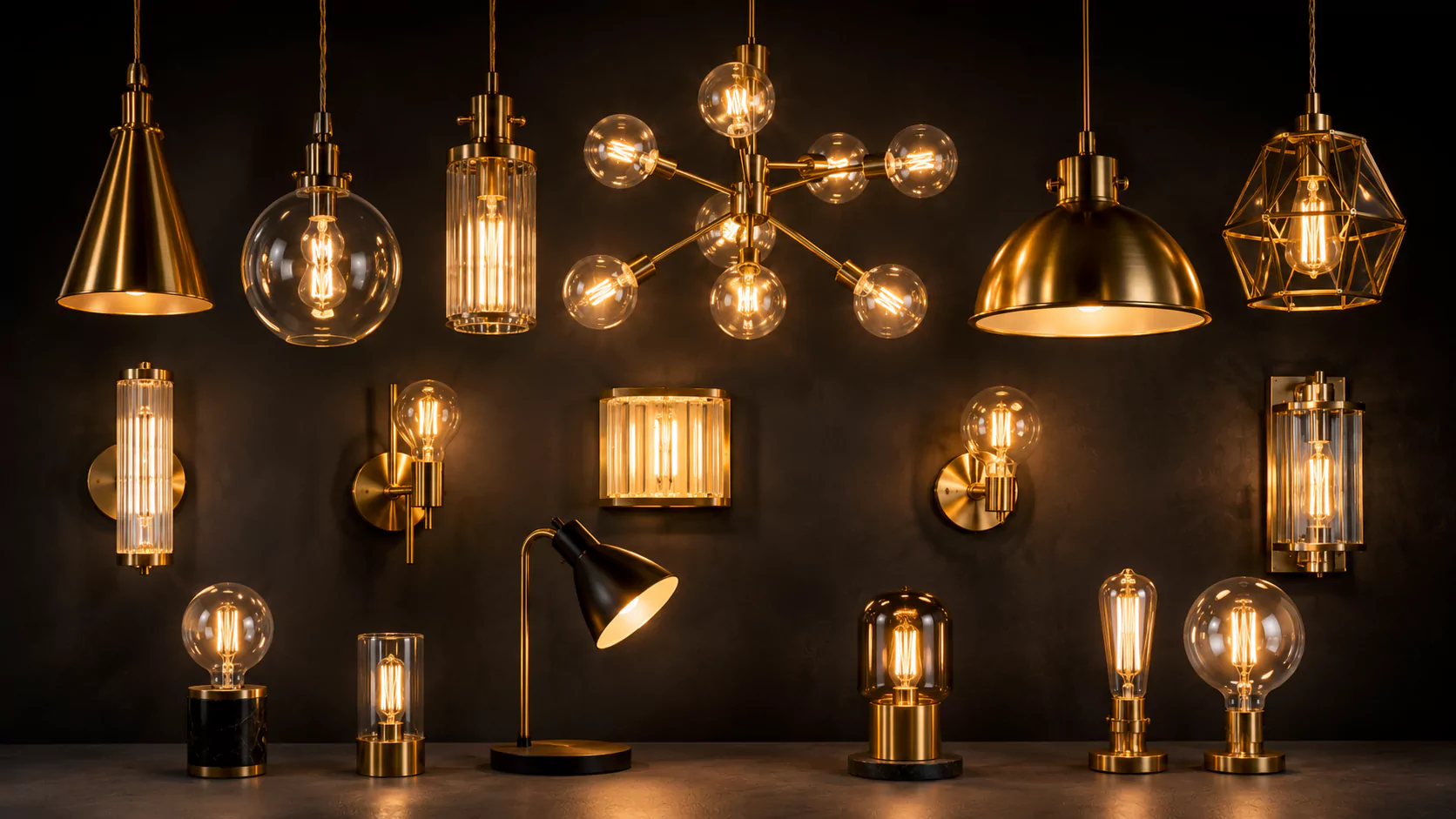
Energy-efficient decorative lighting combines LED technology, smart controls, and sustainable materials to deliver the same aesthetic impact as traditional lighting at 80-90% lower energy consumption. Key metrics: 80-100+ lumens per watt (vs 10-15 for incandescent), CRI 90+ for color accuracy, power factor above 0.9, and L70 lifetime of 50,000+ hours. Browse TITKLED’s energy-efficient collections.
How to Make Your Decorative Lighting Energy-Efficient: 5 Proven Steps
- Audit Current Energy Consumption. Document every fixture: bulb type, wattage, daily operating hours, annual kWh. This baseline quantifies your savings opportunity and justifies investment to stakeholders.
- Replace Incandescent With Premium LED Filament Bulbs. Match color temperature (2700K-3000K), verify CRI 90+, confirm dimmer compatibility. Cheap LEDs with CRI below 80 will degrade the space — invest in quality or do not switch.
- Install Smart Controls. Occupancy sensors in corridors and back-of-house save 40-60%. Daylight harvesting near windows. Scheduled dimming during low-occupancy hours. Scene control for function-specific lighting. Controls multiply fixture efficiency savings by 2-3x.
- Specify Sustainable Materials. Recycled aluminum and steel (60-80% lower embodied carbon), FSC-certified wood, low-VOC powder coating (zero solvents), plastic-free molded-pulp packaging. These choices support LEED, BREEAM, and WELL certification credits.
- Design for Longevity, Not Disposal. Modular fixtures with replaceable LED modules, drivers, and diffusers. When an LED module reaches end-of-life in 10+ years, you replace a $15 component — not a $300 fixture. TITKLED‘s sustainability program including solar-powered manufacturing.
Comparison data available upon request. Contact TITKLED for detailed specifications.
Real Numbers From My Restaurant Retrofit
- 42 fixtures retrofitted from 60W incandescent to 6W LED filament
- Annual electricity: $500 → $50 (90% reduction)
- Annual replacement cost: $1,800 → $0 (zero failures in 3 years)
- Total annual savings: $2,250
- LED bulb cost: $1,260 ($30 each × 42)
- Dimmer upgrades: $280 (8 switches × $35)
- Total investment: $1,540
- Payback period: 8.2 months
- 3-year net savings: $5,210
Have more questions?
Contact TITKLED’s expert team for personalized answers to your specific project questions.
LED vs Traditional Decorative Lighting: Real Cost Comparison
| Metric | Incandescent (60W Equivalent) | LED Filament Bulb | Annual Savings (per 100 fixtures) |
|---|---|---|---|
| Power consumption | 60W | 6W | 90% reduction |
| Annual energy cost (12h/day) | $26.28 per bulb | $2.63 per bulb | $2,365 per 100 fixtures |
| Lifespan (L70) | 1,000 hours | 25,000+ hours | 25× longer |
| Replacement frequency (commercial) | Every 3-4 months | Every 5-7 years | 95% fewer replacements |
| Heat output | 90% of energy as heat | <10% of energy as heat | Lower HVAC load |
| CRI (color rendering) | 100 (perfect) | 90-95 (excellent) | Negligible visual difference |
| Dimmable range | 0-100% smooth | 5-100% (quality drivers) | Near-equivalent experience |
| Per-unit cost | $2-$5 | $4-$12 | ROI in 3-8 months |
Frequently Asked Questions About Energy-Efficient Decorative Lighting
Do LED filament bulbs look as good as real incandescent?
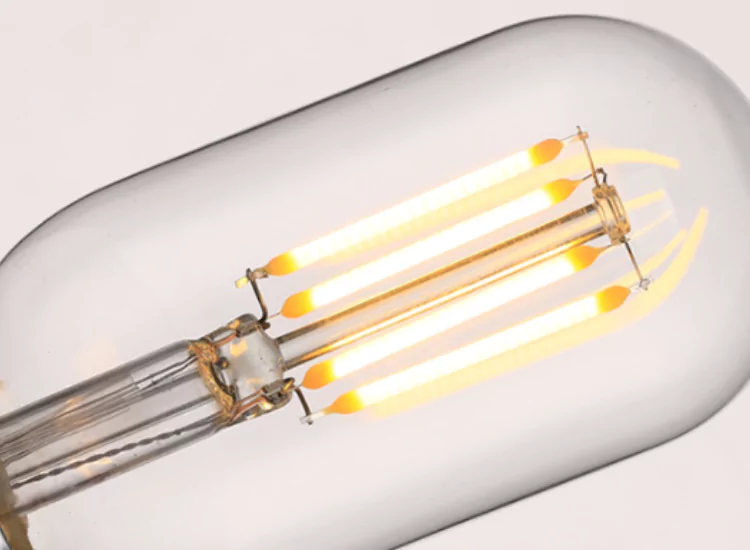
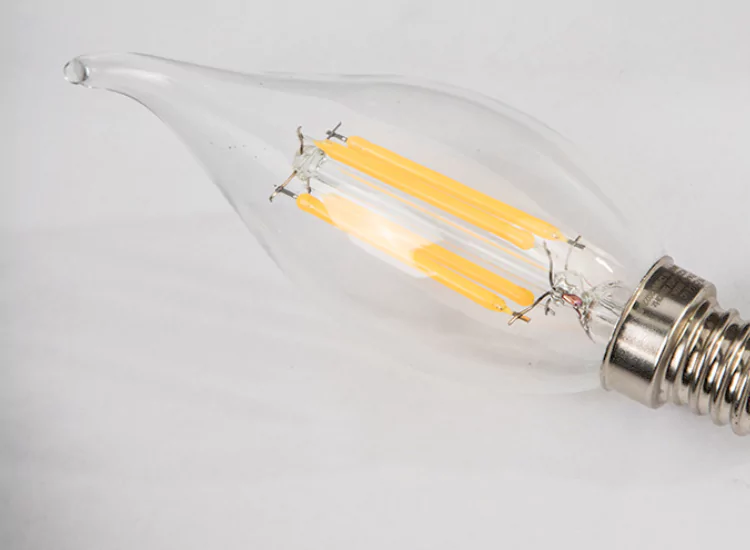
Yes — the latest generation of LED filament bulbs is virtually indistinguishable from incandescent when illuminated. Manufacturers now use flexible LED filaments arranged in the same patterns as tungsten wire (spiral, squirrel-cage, straight). Combined with amber-tinted glass, the visual warmth is identical. We have tested this with dozens of restaurant and hotel clients: guests cannot tell the difference once the fixtures are installed.
Will switching to LED change the ambiance of my space?
Not if you specify correctly. The key is choosing 2700K color temperature with CRI 90+ and warm-dimming capability. Avoid cheap “cool white” (4000K+) bulbs, which do create a harsh, unflattering light. Our hospitality clients consistently report that properly specified LED decorative lighting maintains — and in many cases enhances — the warm, intimate ambiance they designed for.
What is warm-dimming and why does it matter?
Warm-dimming (also called dim-to-warm) mimics the behavior of incandescent bulbs: as you dim the light, the color temperature shifts warmer — from 2700K at full brightness down to 2200K or even 1800K at 10% output. This creates the candlelight-like glow that makes restaurants and hotel lobbies feel luxurious. Standard LED dimming keeps the same color temperature at all brightness levels, which looks flat and unnatural. Always specify warm-dimming for hospitality applications.
How much can a hotel actually save by switching to LED decorative lighting?
A 150-room hotel with decorative lighting in guest rooms, corridors, lobby, and restaurant typically saves $12,000-$25,000 annually in energy costs after switching from incandescent to LED filament. Add reduced maintenance labor (95% fewer bulb changes) and lower HVAC load, and the total operational savings often exceed $30,000 per year. Payback period is typically 8-14 months.
Are LED decorative bulbs available in specialty shapes and vintage styles?
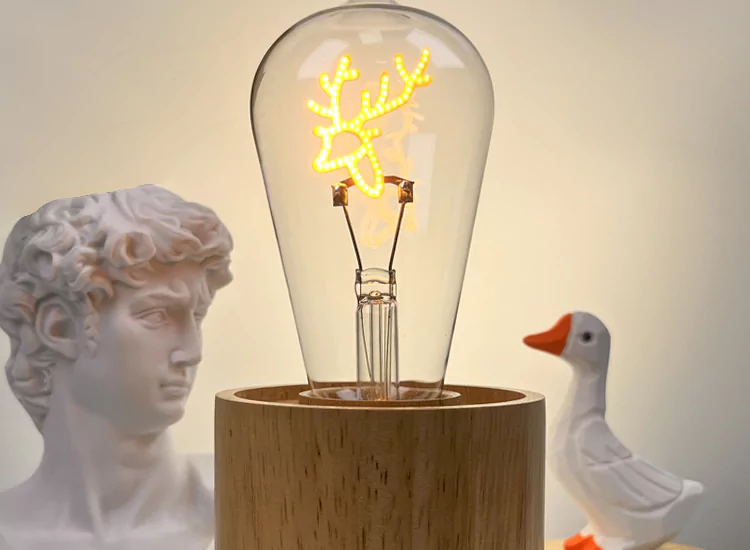
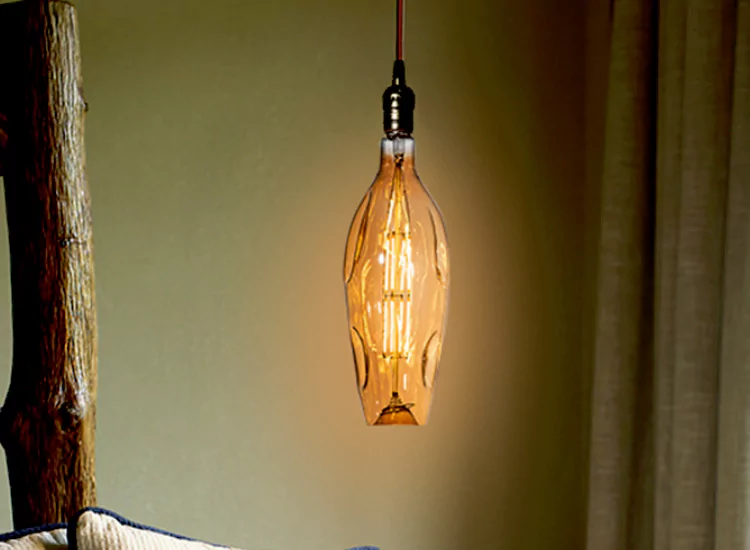
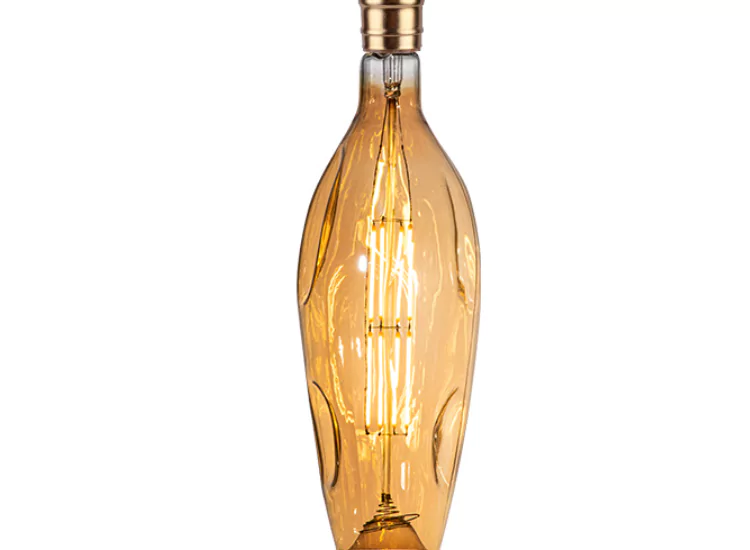
Yes. We manufacture LED filament bulbs in ST64, C35, G80, G125, A19, T30, and globe shapes — all with authentic vintage aesthetics. Custom shapes and extra-large formats (G150, G200) are available through our OEM program. All bulbs are dimmable, CRI 90+, and available in clear, amber, and smoked glass finishes. E27, B22, and E14 base options cover every regional requirement.
Sustainability Pays for Itself
The financial case for energy-efficient decorative lighting is now unequivocal. The environmental case is obvious. And the aesthetic case — once the weakest argument — is now completely resolved with premium LED filament technology. Contact TITKLED for a personalized energy savings analysis and product recommendations.